Source High Simulation Recyclable Palm Leaf for Decor
Find 30 high simulation recyclable palm leaf options for indoor and outdoor party decorations. Compare features like anti-UV properties, waterproof durability, and customized colors from verified suppliers to select the best fit for your event needs; compare the available evidence and request quotations based on your requirements.
Key considerations
Products List


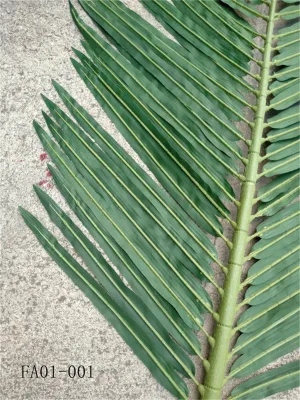
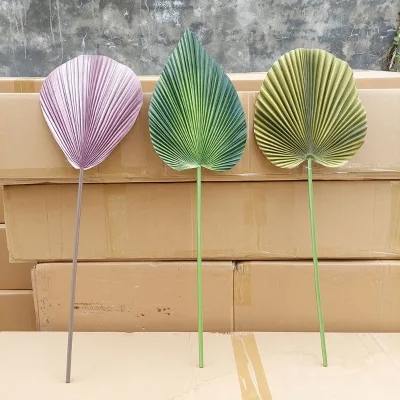
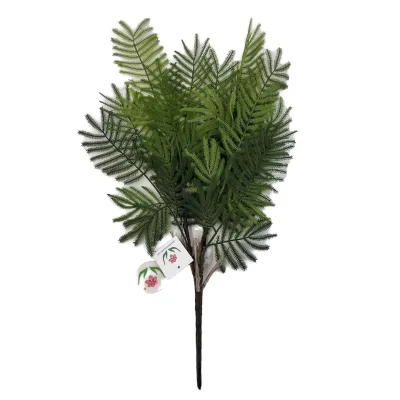
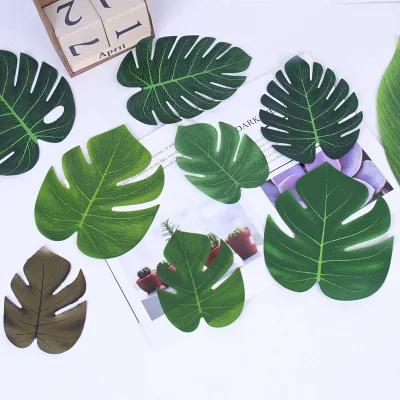

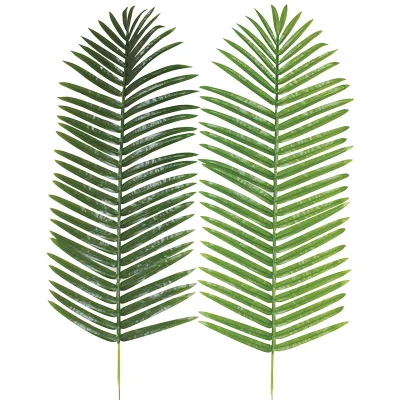
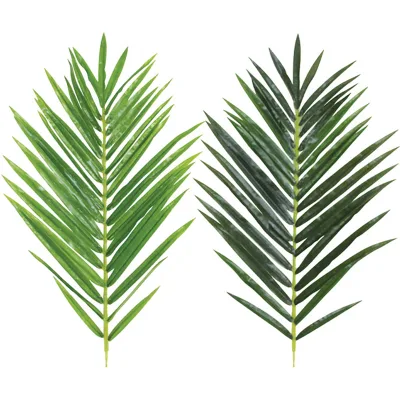


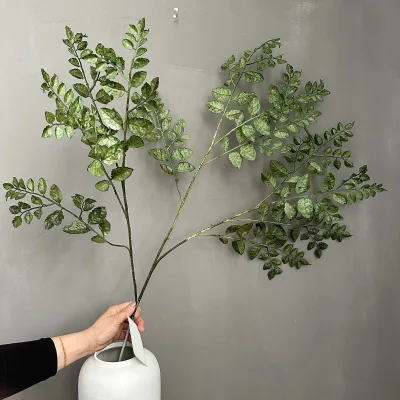

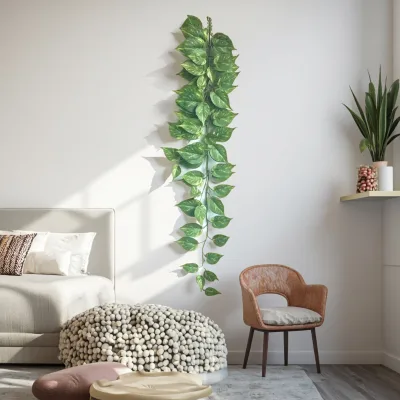
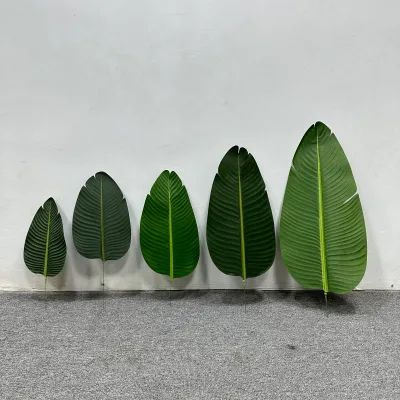
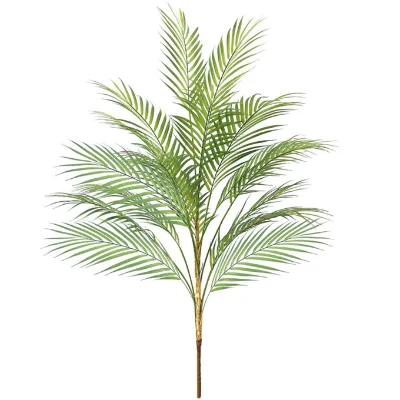

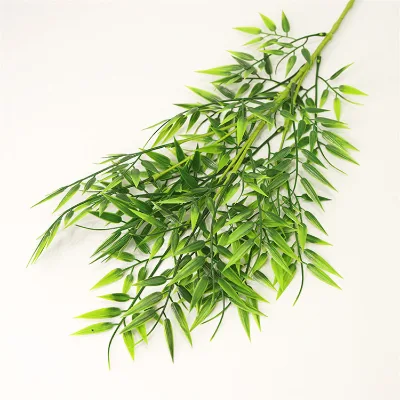
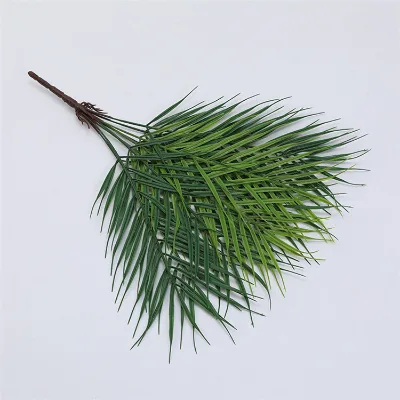
Comprehensive Sourcing Guide
High Simulation Recyclable Palm Leaf Sourcing Guide
High simulation recyclable palm leaf products occupy a distinctive niche in the artificial foliage market: they combine the visual realism demanded by event stylists, theme environments, and interior designers with the sustainability credentials that increasingly influence commercial purchasing decisions. Buyers sourcing these items typically serve three recurring use cases. Indoor decoration covers hospitality venues, retail displays, and residential styling, where one supplier listing explicitly limits usage to indoor environments. Outdoor and party applications draw on listings that promote anti-UV, fireproof, and waterproof features, alongside occasions such as graduation, anniversary, engagement, and Christmas celebrations. Gift and multi-piece package configurations round out the assortment, with some products positioned as new arrivals for home party and wedding decoration.
This guide is written for procurement teams evaluating mixed listings where product attributes vary considerably between suppliers. Observed characteristics should be treated as observations rather than guarantees: one listing may advertise a 15–20 year useful life while another states 5–10 years of usage, and color options range from natural green and straw yellow to grey and brown. The sections below translate those scattered signals into a structured verification workflow covering specifications, documentation, commercial terms, and long-term supplier management.
Product Scope and Observed Listing Signals
The listings cluster around two recognizable product families. The first is coconut palm leaf panels and mats, typically sold under model series such as R-1 through R-3 and C-1 through C-3, in standard dimensions of 100×65 cm and 100×63 cm, with a grass length around 50 mm and MOQs of 300–500 pieces. These carry brand identifiers such as "Qingyuan landscape" and emphasize fluffy, thick shapes with anti-UV, fireproof, and waterproof features. Origins cited include Guangdong and Shandong, China, with paper carton packaging as the standard shipping format.
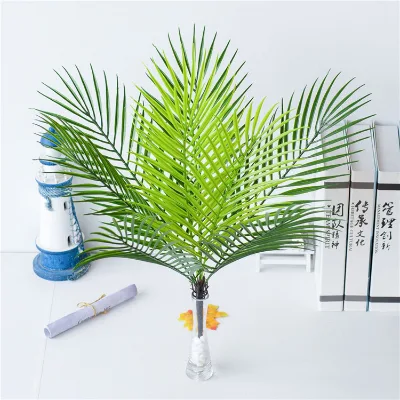
The second family covers individual artificial palm bunches and leaves, sold as single items with model references like Jenny-FC22-106-03, in sizes spanning roughly 24 cm to 73 cm, at MOQs as low as 10 pieces. These listings highlight "high simulation," "recyclable," and "environment-friendly" advantages, customization of color and height, and applications across outdoor, indoor, party, and gift channels. Price observations range from $0.13 to $120 across the full set, which reflects the breadth from small single leaves to large custom installations—buyers should therefore benchmark price against comparable size classes rather than the whole market.
Technical Specifications to Verify
Dimensional accuracy is the first checkpoint. Standard panel sizes (100×65 cm, 100×63 cm) and single-leaf length ranges (24–73 cm) appear in listings, but buyers should request actual measured dimensions rather than relying on nominal values, especially where customized heights are offered. For panels, confirm grass length consistency—in the observed 50 mm class—and check that the "fluffy and thick" shape claim translates into consistent foliage density across a production batch, not just in pre-shipment samples.
Material composition deserves equal scrutiny. Plastics dominate these listings, so ask suppliers to specify the polymer type, whether recycled content is included, and how the "recyclable" claim is substantiated at end of life. Where listings claim anti-UV, fireproof, and waterproof performance, request the test basis for each property and the expected degradation behavior outdoors. Finally, reconcile useful-life claims—15–20 years in one listing versus 5–10 years in another—against the intended placement: indoor products face far less environmental stress than outdoor installations exposed to sunlight and moisture.
Compliance and Safety Documentation
Fire performance documentation should lead your document request list, because "fireproof" appears as a listed feature yet the underlying test basis is not disclosed in the observed data. Ask each supplier to identify the applicable fire-safety standard for your destination market, the test method used, and the certificate holder, then verify certificates directly with the issuing body where possible. For outdoor-sold goods, request UV-resistance test evidence supporting the anti-UV claim, including exposure duration and acceptable fading thresholds.
Sustainability documentation requires similar rigor. Claims such as "environment-friendly," "recyclable," and "eco-friendly" appear across listings, but standards like EN 13432 and ASTM D6400 surfaced only as low-confidence background and should not be assumed to apply. Instead, ask suppliers to state which, if any, recognized standards their materials meet, to disclose polymer composition, and to explain the recycling pathway they envision. Buyers exporting to regulated markets should also confirm whether plastic-content labeling, packaging waste obligations, or chemical-restriction rules apply to their specific product configuration before committing to volume orders.
Cost Drivers and Commercial Terms
Several structural factors explain the wide observed price range of $0.13–$120. Size is the dominant driver: a 24 cm single leaf occupies a completely different cost class from a 100×65 cm panel or a custom-height installation. Customization adds cost through tooling, color matching, and shorter runs, while multi-piece packages and carton-level logistics (one listing cites 90×50×40 cm batches at 24 kg gross) affect landed cost per unit. Order quantity interacts directly with price, given MOQs spanning 1 to 1,000 pieces across the set.
Commercial terms vary just as widely. Payment options observed include PayPal, Western Union, T/T, and Ali Trade Assurance; buyers should prefer instruments offering dispute protection for first orders and reserve direct transfers for established relationships. Delivery times range from 7–15 working days to 7–30 days, so align quoted lead times with your event calendar and build buffer for customization and pre-shipment inspection. Confirm packaging format (paper cartons are standard), unit-of-sale definitions, and who bears freight risk before signing, since single-item selling units complicate consolidated shipping.
Supplier Qualification and Quality Control
Qualify suppliers by matching their stated strengths to your application. A supplier offering 15–20 year useful life claims, anti-UV and fireproof features, and 300–500 piece MOQs suits project and outdoor buyers, while one offering 10-piece MOQs, customized colors, and single-item selling suits event stylists and gift retailers. Verify brand claims such as "Qingyuan landscape" or "Deluxe" against business licenses and confirm origin locations—Guangdong and Shandong appear in listings—with the supplier directly. Sample availability is confirmed in the data, so always obtain samples before committing.
Quality control should combine incoming inspection with defined acceptance criteria. Establish a checklist covering color fidelity against approved samples (green, straw yellow, grey, and brown variants), dimensional tolerance, foliage density, and attachment strength of leaves to stems or panels. For customized orders, require a pre-production sample and written approval before mass production. Agree on defect definitions and AQL-style sampling expectations in the purchase contract, and for carton-shipped goods, verify package integrity and gross weight per batch on arrival to detect transit damage or under-shipment early.
Long-Term Procurement Checks
Sustain supplier relationships through periodic requalification rather than one-time approval. Revisit useful-life claims against field performance: if a supplier promises 15–20 years but your installations show fading or brittleness within the 5–10 year window observed in other listings, renegotiate specifications or adjust placement guidance. Track batch-to-batch consistency in color and density, especially for recurring event or franchise programs where visual continuity across orders matters, and document deviations with photographs tied to batch numbers.
Plan forward purchases around the customization and lead-time dynamics in this category. Customized colors and heights extend lead times, so place seasonal orders—Christmas, graduation, and engagement programs appear as listed occasions—well ahead of demand peaks. Maintain a qualified second source to hedge against capacity constraints, and revisit sustainability positioning annually: as buyer expectations around recyclable plastics tighten, suppliers able to substantiate their environmental claims with documented standards will differentiate themselves. Finally, consolidate recurring SKUs into framework agreements with locked pricing bands and review clauses tied to raw material movements to protect margins over multi-year programs.
FAQs
What are the key features of high simulation recyclable palm leaves?
These artificial palm leaves offer high simulation and are recyclable, making them eco-friendly. They are durable, water-resistant, and available in customized colors. The product is suitable for both indoor and outdoor use, including parties and weddings, ensuring long-lasting decorative appeal for various occasions.
Can I customize the height and color of these palm leaves?
Yes, customization is available for both height and color. Buyers can select from specific color codes or request custom shades. The height can be adjusted to meet specific design requirements, allowing for flexible application in home parties, weddings, and other decorative events where tailored aesthetics are needed.
What is the typical lead time for ordering these palm leaves?
The delivery time typically ranges from 7 to 30 days, depending on the order volume and specific supplier capabilities. Some suppliers offer faster turnaround times of 7 to 15 working days. Buyers should confirm the exact lead time with the manufacturer based on their specific order quantity and customization needs.
What is the minimum order quantity for these artificial palm leaves?
The minimum order quantity varies by supplier, with common requirements being 10 pieces, 300 pieces, or 500 pieces. Buyers should check the specific supplier's MOQ policy before placing an order. This flexibility allows small buyers to sample products while larger buyers can secure bulk quantities for extensive decoration projects.
Are these palm leaves suitable for outdoor use?
Yes, these palm leaves are designed for both indoor and outdoor placement. They feature water-resistant and durable materials that withstand various weather conditions. The anti-UV and fireproof properties further enhance their suitability for outdoor events, ensuring they remain vibrant and safe for use in gardens, patios, and outdoor parties.
What packaging is used for shipping these palm leaves?
The products are typically packed in paper cartons or standard cartons. The packaging is designed to protect the leaves during transit, with specific batch sizes and weights provided by suppliers. Buyers should verify the exact packaging dimensions and weight with the supplier to ensure proper logistics planning and safe delivery of the goods.